The best plant relocation companies for a large move share five traits: a verifiable track record on jobs of comparable scale, one party accountable for the whole sequence, in-house riggers and millwrights, a named project manager from quote to reconnect, and insurance documentation on request. A turnkey pitch is only worth it if a contractor can produce all five.
Most plant relocation pitches sound identical: experienced crews, careful planning, minimal downtime. None of that tells you anything, because every contractor says it and almost none of them define it. The differences that actually matter show up in three places — whether the contractor can describe a sequencing method instead of a slogan, whether they can name who else is touching the job besides them, and whether their track record is a real reference you can call or a client logo on a slide.
What separates the best plant relocation companies for a large move?
Five things, checkable before a contract is signed. First, a verifiable track record on moves of comparable scale — a reference contact from a job with a similar asset count and downtime window, not a case study. Second, a single point of contractual responsibility for the whole sequence, even where several trades do the physical work. Third, in-house riggers and millwrights rather than a crew assembled from short-notice subcontractors — continuity across a multi-week relocation depends on the same people knowing the plan on day one and day twenty. Fourth, a named project manager on the job from the initial survey through reconnect, not a salesperson who hands off to a team you haven't met. Fifth, insurance documentation you can actually request — a certificate naming your facility, with limits that match the value of what's being moved. On a large or multi-phase move, missing any one of these has more room to become a real problem.
What actually separates plant relocation contractors?
Sequencing discipline separates them, not lifting capability. Almost any established rigging outfit can pick a 30,000-lb press off a foundation and set it on a trailer — that part of the industry is mature and commoditized. What is rare is a contractor who can walk into your facility, build a survey and asset list before a single machine moves, sequence that list backward from your production restart date, and hold that sequence when the schedule gets pressured halfway through. A relocation with forty machines and a two-week downtime window is not forty rigging jobs — it is one sequencing problem with forty rigging jobs inside it. If the rigging crew shows up, loads the truck, and considers the job done at the dock door, you have bought a rigging service. If the same team is accountable for the load arriving in install order and is still on the phone when the millwright hits a leveling problem, you have bought a relocation.
What questions should you ask a plant relocation contractor?
Ask these before you ask for a number, because the number is meaningless until you know what it includes:
- "Walk me through how you'd sequence this move." A real answer starts with the production restart date and works backward. A weak answer starts with "we'd survey the site" and stops there — surveying is table stakes, sequencing is the skill.
- "Who tags and tracks the asset list, and in what format?" You want a specific answer — a spreadsheet or system with weight, dimensions, utility requirements and destination mapped for every asset — not "we keep good notes."
- "What's your split with the OEM and our maintenance team on disconnect and reconnect?" See the next section. A contractor who claims to handle everything, including OEM-only recommissioning, is either wrong or planning to sub it out without telling you.
- "Give me a reference move of similar size and industry." Not a case study PDF — a name and a number you can call. If they can't produce one inside a day, that tells you something.
- "What happens if a machine doesn't fit the planned route?" Every real relocation contractor has a story about a doorway that was two inches too narrow. The answer reveals whether they actually walked your building or priced it off a floor plan.
- "How do you handle a schedule slip mid-project?" Trucking and site conditions change. You want to hear about buffer and phasing, not a shrug.
What does a real track record look like?
A real track record is verifiable, specific, and scaled to your job — not a wall of logos. Three things to check, in order of how hard they are to fake:
- Referenceable contacts, not case studies. A case study is marketing copy the contractor wrote about themselves. A reference is a plant manager or facilities director who will get on the phone and tell you what actually went wrong and how the contractor handled it. Ask for two or three, from moves in the last couple of years, and actually call them.
- Scale that matches your job. A contractor whose reference moves are all single-machine installs has not necessarily run a forty-asset, multi-phase relocation, even if they're good at what they do. Match the reference to your scope — number of assets, downtime tolerance, and industry — not just to the contractor's overall size.
- How they talk about what went wrong. Every relocation of any size has a moment that didn't go to plan — a floor rated wrong, a utility not live on schedule, a dimension that didn't match the drawing. A contractor with a real track record has these stories and can tell you how the plan absorbed the problem. A contractor who insists nothing has ever gone wrong is either inexperienced or not being straight with you.
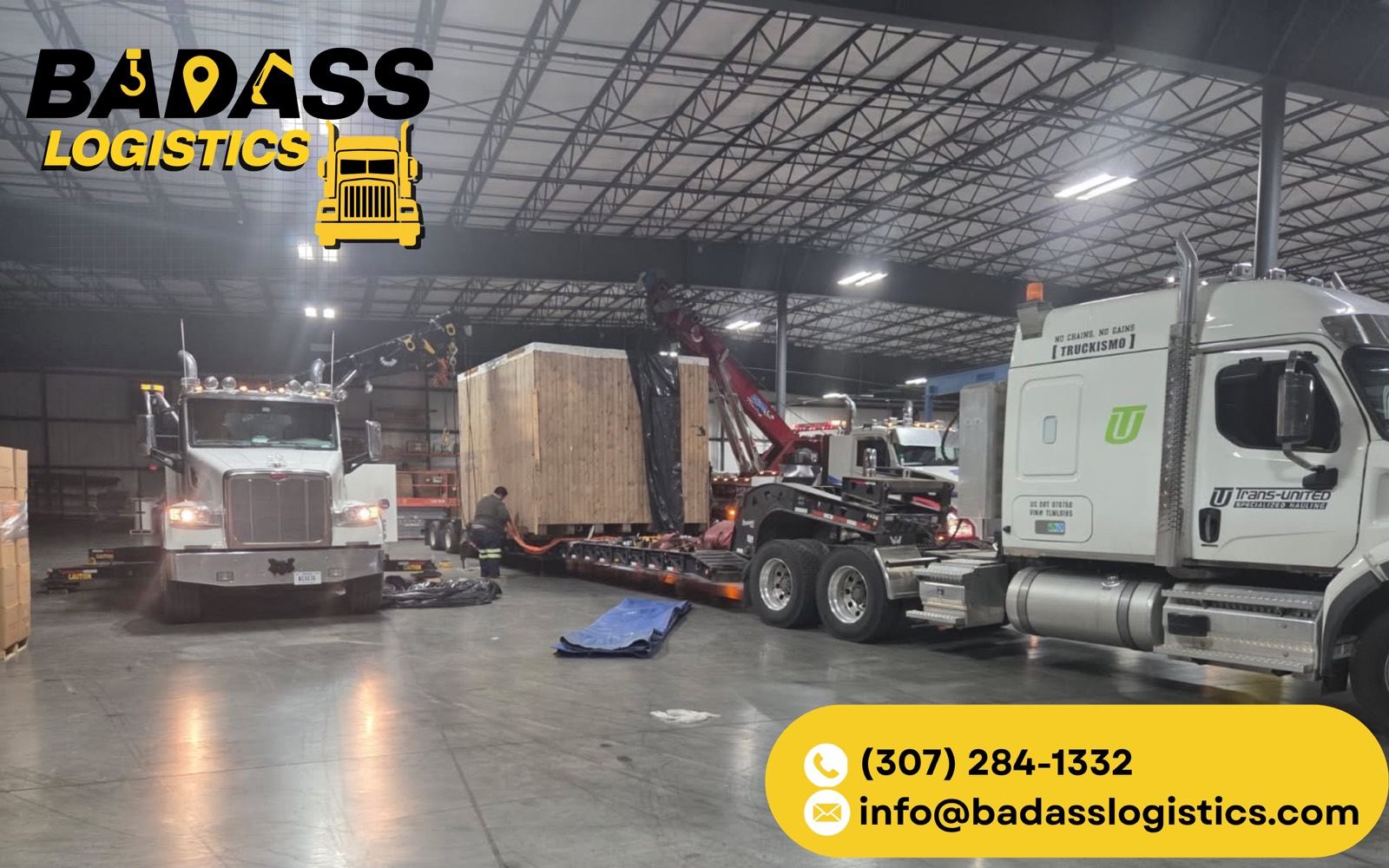
Who owns what between the OEM, the millwright, and the rigger?
Three different jobs, and a relocation goes wrong most often at the seam between two of them, not inside any one of them. Get this split in writing before anyone signs:
- The OEM (or authorized service organization). Owns anything affecting the machine's warranty or calibration — de-installation of internal components, controls, and calibration before it can run again. On CNC equipment, medical imaging, and anything warranty-tied to who touched it, this party's schedule usually sets the date.
- The millwright. Owns the mechanical installation at the new site — setting the machine on its pad, anchoring, leveling to spec, and aligning it to hold tolerance. See millwright services for what that scope covers.
- The rigger. Owns the machine from the moment it's free of its foundation to the moment it's set down at the other end — lifting, skating, loading, and transport. Neither the OEM tech nor the rigging crew should be doing the other's job.
The failure mode to watch for: a machine sits half-disconnected because the OEM tech hasn't arrived while the rigging crew idles, or the reverse — it's rigged out and shipped before the OEM signs off, voiding a warranty nobody meant to void. Closing that gap by coordinating all three parties against one schedule is exactly what a contractor "owning the whole project" is for.
Is the cheapest bid usually the wrong choice?
Usually, yes, because the number that's easy to compare — a flat rig-and-haul rate — rarely determines what the move actually costs. A bid missing sequencing, survey time, or coordination with the OEM and millwright often looks lower because it's a smaller scope, not because it's more efficient. The real cost of a relocation is production downtime, driven by sequencing quality, not the line-item rate for lifting one machine. A contractor who has priced in the survey, the asset tagging, and cross-trade coordination will usually look more expensive on paper — and finish closer to the schedule they promised.
What does turnkey plant relocation actually include?
When you are choosing between contractors, "turnkey" is a claim to test, not a feature to take on trust. A proposal that deserves the word covers the survey and asset list, a sequence built backward from your restart date, rigging and transport against that sequence, the OEM and millwright calendar, reinstall oversight, and one name accountable from quote to sign-off. If any of those is missing, you are buying a move, not a relocation.
What that arrangement earns you — and where it's just a markup on work you could contract directly — is covered in what single-source plant relocation actually covers. Weighing it against your own facilities team? See in-house team vs. relocation contractor.
What are red flags when evaluating a plant relocation contractor?
Any one of these is worth a follow-up question. More than one is a reason to keep looking:
- No reference inside a day. A real track record produces a name and a number fast. A written case study instead usually means the reference doesn't hold up to a call.
- No certificate of insurance on request. Routine paperwork, not a negotiation. Reluctance, or limits that don't match the equipment's value, is worth pressing on.
- No named project manager. A vague answer to "who runs this day to day," or a different person than who quoted the job, means the plan is more likely to get lost at handoff.
- Vague answers on sequencing. "We'd survey the site and go from there" is not a method. A contractor who can't describe ordering forty machines against a two-week window hasn't run a relocation at that scale.
- Claims to handle OEM-only work. An offer to take on de-installation or recommissioning normally reserved for the OEM is either wrong about the scope or planning to sub it out unannounced.
- No plan for schedule slippage. Nothing to say about buffer or phasing when asked means guessing, not planning.
Should one contractor manage the whole relocation?
Yes — one accountable party for the sequence, even where different trades do the work. You don't need one company physically performing every task; the OEM will always be a separate party on most equipment, and that's normal. What you need is a contractor contractually and practically responsible for holding the sequence together — knowing when the OEM's tech is scheduled and when the new floor's utilities go live, and building the freight and rigging schedule around both. When that responsibility is split between a freight broker with no visibility into rigging and a rigging crew with no visibility into freight, the gaps between them become your problem on move day, not theirs.
Before you sign, get these in writing
- A sequencing plan built backward from your production restart date, not just a survey
- A named asset list format — weight, dimensions, utilities, destination — for every machine
- A written split of responsibility across OEM, millwright, and rigging crew
- Two or three referenceable contacts from moves of similar scale, not case studies
- One point of contact accountable for the whole sequence, named by role
- A certificate of insurance naming your facility, with limits that match what's being moved
- How schedule slippage gets handled, agreed before it happens
Bottom line
- Sequencing discipline, not lifting capability, is what separates plant relocation contractors.
- Ask for a real reference of similar scale and call it — case studies are marketing, references are verifiable.
- OEM, millwright, and rigger own three different jobs; get the split in writing before anyone signs.
- The cheapest bid is often a smaller scope, not a more efficient one.
- One party needs to be accountable for the whole sequence, even when several trades do the work.
- On a large move, a named project manager and a certificate of insurance are as telling as the reference call.
For the step-by-step version of the sequencing work itself, see the plant relocation checklist. For the rigging trade specifically — the lifting, skating and setting inside that sequence — see industrial rigging, and for how a full facility move is scoped as one project, see plant relocation.