Vet an industrial rigging company on five things: insurance that specifically covers the load (not just the crane or the crew), a written lift plan built for your machine rather than a boilerplate form, rigging gear the company owns and inspects rather than sources per job, a rigger-in-charge with documented experience on comparable loads, and references matched to your load type and weight — not just any past client.
Every rigging quote reads the same way once you strip the letterhead off: experienced crew, safety first, on time. None of that tells you whether the company can actually be trusted with a machine that costs more than the building it's going into. The things that separate a rigging outfit worth hiring from one that gets lucky most of the time are specific, checkable, and almost never on the quote itself — they live in the insurance certificate, the lift plan, the gear locker, and who is standing next to the load when it comes off the ground.
This is the checklist for that gap. It assumes you already know you need a rigger rather than a bare crane rental — if you are still deciding between those two, crane rental vs rigging company covers that split. This is about how to tell the difference between rigging companies once you've decided to hire one.
What insurance should a rigging company actually carry?
General liability is not enough by itself — you need coverage that specifically responds if the load itself is damaged, not just coverage that responds if a person or nearby property is hurt. A standard commercial general liability policy typically excludes damage to property that is "in the care, custody or control" of the insured, and a machine hanging from a rigger's slings is about as squarely in their care, custody and control as property gets. What you're looking for is a separate riggers liability policy or a care, custody and control (CCC) endorsement, with a limit that actually covers what the machine is worth — not a minimal generic line that would be exhausted by a fraction of the loss.
Ask for the certificate directly, and read three things on it: the CCC or riggers liability limit, whether it's a per-occurrence limit or an aggregate that's already been chewed into by other jobs this policy year, and whether you can be named as an additional insured or certificate holder for the duration of the move. A company that hesitates to produce this, or that tries to answer with "we're fully insured" instead of a number, is telling you something. Workers' compensation coverage for the crew on-site matters too, but it protects the company from a claim by its own people — it does not protect your machine, and it is not a substitute for asking about CCC.
Who writes the lift plan, and what should be in it?
The lift plan should be written for your specific load, not pulled from a template with the weight typed in. A real lift plan starts with the load's actual weight and center of gravity — measured or calculated from drawings, not guessed from the nameplate — and works through the pick points, the sling or spreader configuration and angles, the rigging hardware's rated capacity after the derating that angle produces, ground bearing at the pick and set locations, and the sequence of the lift itself, including who directs it. If the plan you're handed could describe any load of similar weight, it was not built for yours.
Ask who signs the plan and what their role is on the day of the lift. On anything approaching the rigging gear's rated capacity, over occupied space, or involving more than one crane or lift point, that plan should exist in writing before the day of the move, not get sketched on-site once the crew is already mobilized. If a company's answer to "can I see the lift plan before the lift" is that it lives in the foreman's head, that is not a plan — it's an intention.
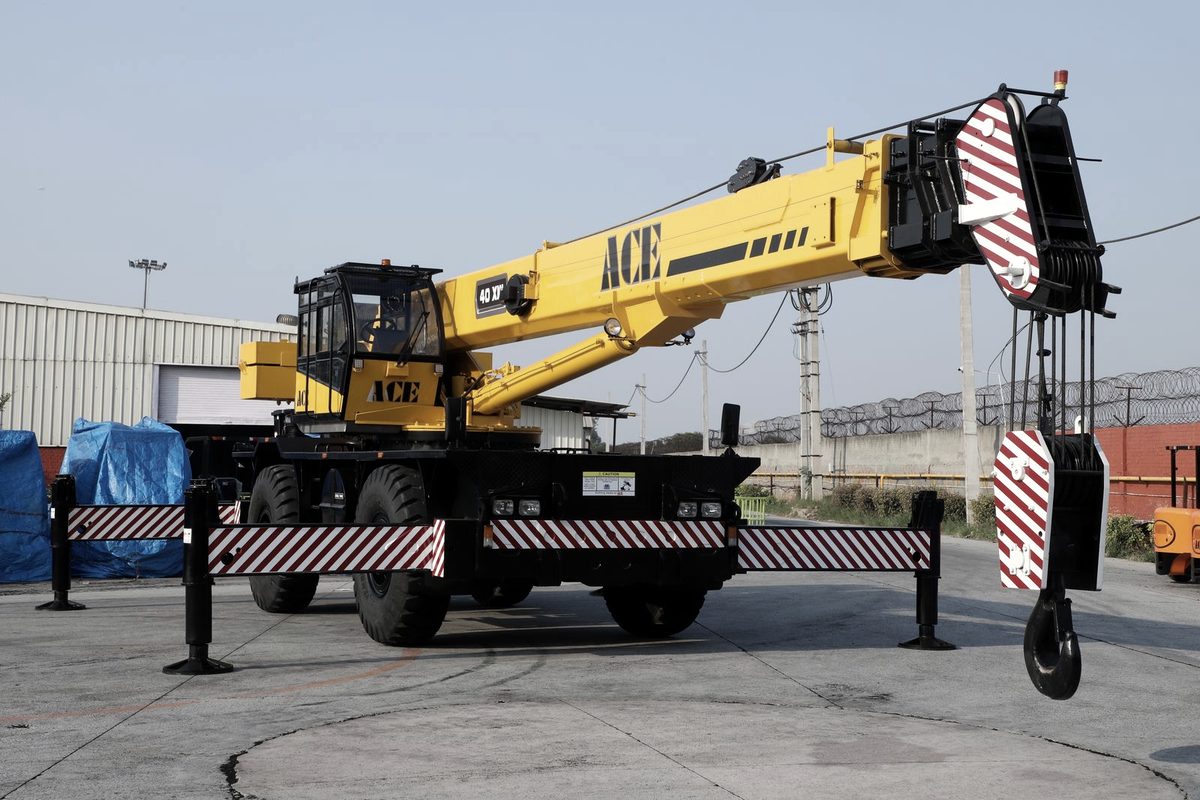
Does it matter if a rigging company owns its gear instead of renting it?
It matters more than most buyers assume, because owned gear is inspected, tagged and tracked on a schedule that a per-job rental usually is not. A rigging company running its own slings, shackles, spreader beams and lifting beams typically keeps an inspection log for each piece — tagged with its rated capacity, last inspection date, and whether it has been taken out of service and why. That paper trail exists because the company is liable for that gear on every job it goes out on, not just this one. A company that sources its rigging hardware ad hoc, job by job, from whatever the rental house has on the shelf that week, is one weak link away from a mismatch nobody catches — a shackle rated for less than the sling it's paired with, or a spreader beam whose last inspection nobody can produce.
This is a different question from whether they own the crane. Plenty of legitimate rigging companies rent cranes and bring their own rigging crew and gear to run the pick, which is the normal arrangement discussed in the crane-rental comparison linked above. What you're checking here is narrower and worth asking directly: can they show you inspection tags and a capacity chart for the actual slings and hardware going on your load, or are those being sourced the same week as the lift with no history behind them.
How do you evaluate the crew's experience, not just the company's?
Ask specifically about the people who will be on your load, not the company's overall years in business. A rigging company that has operated for two decades can still staff an unfamiliar job with a crew that has never handled a load like yours, especially during a busy season when subcontracted labor fills the gaps. Ask who the rigger-in-charge is by name, how many comparable lifts — similar weight class, similar equipment type — they have run, and whether that person is a core employee or a contracted body for the day. A designated, experienced lift director who has actually run pick-and-set jobs on machinery like yours is worth more than a company-wide safety record that says nothing about who shows up on your date.
It's reasonable to ask what qualifications the individual riggers and the lift director hold, and to expect a specific answer rather than a vague assurance — what training they've completed, what equipment classes they're qualified on, how long they've been doing this work. A company that can name its people and their background is a different proposition from one that promises "certified professionals" without being able to say who or what that means for your job.
What references actually tell you something?
A reference only tells you something if it matches the load you're about to trust them with. A rigging company that has moved hundreds of light fixtures and rooftop units has a real track record — just not necessarily one that predicts how it handles a 40-ton press with a tight center of gravity and two feet of clearance on either side. Ask for references specific to your load class: similar weight, similar equipment type, similar site constraints if you can get it. Then actually call, and ask the reference two things a glossy case study never answers — did anything go wrong, and how did the crew handle it when it did. A company with real experience has an answer to that question. One that insists nothing has ever gone sideways on a job of any size has either not done many of them or is not being straight with you.
Also worth asking the reference directly: was the crew that showed up the same one that was pitched in the sales conversation, and did the company stand behind its lift plan when site conditions differed from what was expected. Those two answers surface more than a satisfaction rating ever will.
Ask before you sign
- Can I see the certificate showing riggers liability or a CCC endorsement, and what's the limit?
- Who writes and signs the lift plan for this specific load, and can I see it before the lift day?
- Is the rigging gear coming to my job owned and inspected by you, and can I see the tags and log?
- Who is the rigger-in-charge by name, and how many loads in this weight class have they run?
- Can you give me two references matched to this load type and weight, that I can call directly?
- Has anything gone wrong on a comparable job, and how did the crew handle it?
What's a red flag that a rigging company isn't ready for a high-value lift?
The clearest red flag is vagueness where a specific answer should be easy — an insurance certificate that arrives late or without a real CCC limit, a lift plan that's described but never produced in writing, gear that "we'll have on-site" without an inspection record behind it, or a crew introduced by role rather than by name and background. Any one of these alone might be a scheduling gap rather than a real problem. Two or three together on the same job is a pattern worth walking away from, especially when the load in question would be expensive to replace and impossible to explain to whoever owns the building it's going into.
The inverse is also a useful signal: a company that volunteers this information before you ask — offers the certificate, walks you through the lift plan unprompted, shows you the gear log — is usually the one that has been through an audit or a bad day before and built the paperwork to survive the next one.
Bottom line
- General liability does not cover the load. Ask for riggers liability or a care, custody and control endorsement, and read the actual limit.
- A real lift plan is built for your load's weight and center of gravity, not a template with numbers swapped in.
- Owned, inspected and tagged rigging gear beats gear sourced fresh for the job — ask to see the log.
- Vet the rigger-in-charge by name and experience on comparable loads, not the company's years in business.
- References only count if they're matched to your load type and weight, and you actually call them.
Bringing over a machine that matters and want a straight answer on the insurance, the lift plan and the crew before you commit? Our rigging and heavy lift rigging teams can walk through what a plan for your load actually needs to cover. Start here.