A freight broker arranges transport and matches a load to a carrier but never takes possession of the freight. A freight forwarder takes possession, consolidates shipments, and handles customs — the standard for international freight. A 3PL is broader: an ongoing partner running warehousing, fulfillment, and transportation together. Use a broker for a domestic load, a forwarder to cross a border, a 3PL to run supply-chain operations.
"Freight broker," "freight forwarder," and "3PL" get used like synonyms on quote requests every week. They're not, and the difference is not cosmetic — it decides who is legally on the hook for your freight, who fills out the customs paperwork, and who you call when a shipment goes sideways. The dividing line comes down to three things: who holds the authority to move it, who takes possession of it, and how much of your logistics they run.
What is a freight broker?
A freight broker arranges the transport but never takes possession of the goods. Brokers hold FMCSA broker authority — separate from a carrier's operating authority — and use it to connect a shipper with a carrier that has the right equipment, insurance, and lane experience. The broker handles the booking, the rate negotiation, the paperwork, and acts as the single point of contact between shipper and carrier. The freight goes straight from the shipper's dock onto the carrier's trailer; the broker orchestrates the match and the paper trail around it, but the truck and the driver belong to the carrier.
Because a broker never holds the freight, a broker also generally carries no cargo liability for loss or damage in transit — that liability sits with the carrier that actually hauled the load, under the terms of the bill of lading. A broker's exposure is usually limited to negligence in vetting or dispatching the wrong carrier, not the freight itself. That distinction matters more than it sounds: a shipper chasing a damaged-freight claim against a broker is usually chasing the wrong party.
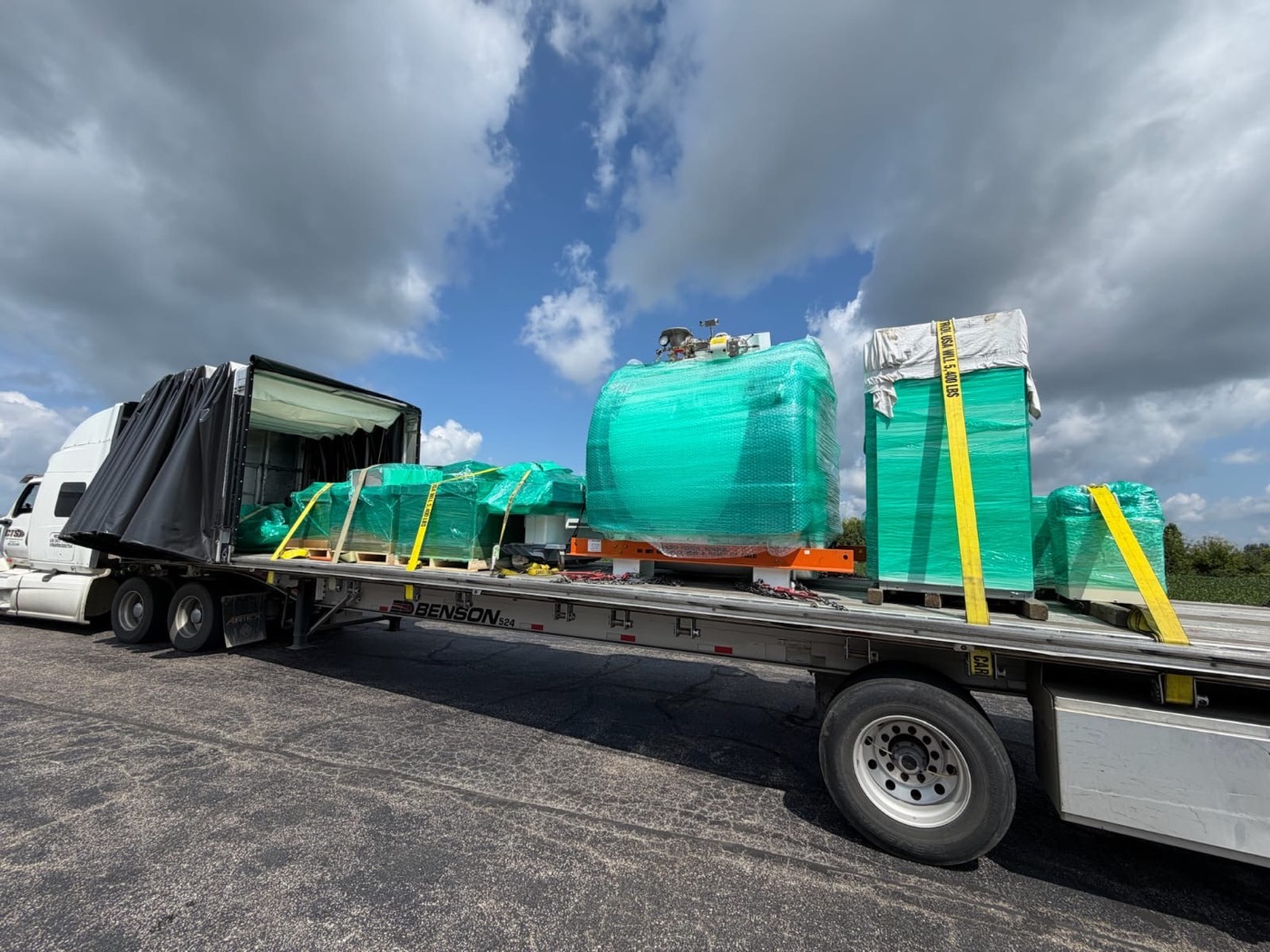
What is a freight forwarder?
A freight forwarder takes possession of the goods and manages their movement, often consolidating several shippers' freight into one container or one air shipment, handling documentation, and re-shipping it under its own bill of lading. That single fact — possession — is the legal line between a forwarder and a broker, and it's why forwarders are the standard for international freight: ocean, air, coordinating customs clearance, and the hand-offs between modes and borders that a domestic broker's authority doesn't cover.
Possession changes liability, too. Depending on the mode and the paperwork used, a forwarder can be liable for the cargo it consolidates and re-ships in a way a broker never is, and it's the forwarder that coordinates the customs entry and its documentation for the shipper. The entry itself is filed by a licensed customs broker, which is a separate license: many forwarders have a licensed customs broker in-house, others hand that step to a partner customs broker. A domestic pallet moving broker-to-carrier never touches any of that; a container crossing an ocean and a border does, every time.
What is a 3PL?
A third-party logistics provider (3PL) is the broadest of the three. A 3PL runs outsourced logistics as an ongoing partner rather than a single transaction — which can mean warehousing, inventory management, order fulfillment, and transportation management under one contract. Where a broker solves one load and a forwarder moves one shipment across a border, a 3PL is who a company hands its whole outbound (or inbound) supply chain to, on a recurring basis. Many 3PLs bundle brokering and forwarding as services inside that broader relationship, which is exactly why the three terms get muddled on the same quote request.
Liability with a 3PL depends entirely on which piece of the contract is in question — the warehousing terms, the transportation terms, and any forwarding component each carry their own liability language, so "the 3PL is liable" isn't a single answer the way it is with a carrier's bill of lading.
Freight broker vs 3PL: what's actually different?
This is the comparison that gets searched the most, and the confusion is understandable, because a lot of 3PLs also broker loads. The difference is scope and duration. A freight broker is transactional — one load, one carrier match, one invoice. A 3PL is a standing relationship that can include brokering loads but usually also covers warehousing and fulfillment the broker relationship never touches. If all a company needs is a domestic load matched to a reliable carrier, hiring a full 3PL for that one job is more than the job calls for. If a company wants warehousing, inventory, and transportation managed together over time, a broker relationship alone won't cover it.
Freight forwarder vs 3PL: what's actually different?
Forwarders and 3PLs both go beyond simple matchmaking, but a forwarder's job is specifically getting freight across a border or between modes — ocean to rail, air to truck — with the customs and documentation work that requires. A 3PL's job is running logistics broadly, and international moves may be only one piece of a much larger domestic warehousing and fulfillment contract. A company that only ever ships internationally by ocean container may need nothing more than a good forwarder; a company running a distribution network across several regions usually needs the wider scope a 3PL provides.
What does each one look like in practice?
A furniture manufacturer with a truckload of finished goods going from its plant to a regional distribution center needs a freight broker: one dry-van load, one lane, one carrier match, done. A produce distributor with a reefer load moving cross-country on a tight delivery window is in the same position — a broker's job is finding the right equipment and driver for that specific load and getting out of the way once it's booked.
A parts supplier importing components by ocean container from an overseas factory needs a freight forwarder: the forwarder books the ocean carrier, consolidates the container with other shippers' cargo if the volume doesn't fill it alone, coordinates the customs entry through a licensed customs broker, and arranges the inland trucking leg once the container clears. None of that sits inside a domestic broker's authority — customs work and multi-modal documentation are the forwarder's specialty, not an add-on.
A retailer running a national e-commerce operation — inbound container freight, a network of regional warehouses, and outbound parcel and LTL fulfillment to customers — is the case for a 3PL. No single load or single border crossing describes that business; it needs inventory managed, orders picked and packed, and transportation coordinated across dozens of lanes every day, which is a standing operational relationship rather than a transaction.
Which one do I need?
- Freight broker — you have a domestic load to move and want someone to find the right carrier, negotiate the rate, and run the paperwork on a single shipment.
- Freight forwarder — your freight is crossing a border, moving by ocean or air, or needs consolidation and customs clearance.
- 3PL — you want to outsource ongoing logistics operations: warehousing, fulfillment, and transportation management as a standing partnership, not a one-off move.
Where does Badass Logistics fit?
Badass Logistics is none of the three. We're a rigging and industrial moving company: crane picks, jacking and skidding, machinery loadout, and millwright work on the plant-floor side, plus a fleet dispatch desk for trucking companies running four or more trucks. When a rigging or relocation job needs freight moved between sites, that freight goes through our licensed broker and carrier partners — we coordinate the rigging and the loadout; the actual line-haul is arranged and carried by parties who hold that authority. Related reading on a nearby distinction: truck dispatcher vs. freight broker.
Bottom line
- Broker: arranges transport, never takes possession, generally not liable for the cargo itself. Best for a single domestic load.
- Forwarder: takes possession, consolidates, handles customs. Best for international and multi-modal freight.
- 3PL: runs outsourced logistics end to end — warehousing, fulfillment, transport — as an ongoing relationship, often including brokering or forwarding as pieces of it.
- The dividing line is possession of the goods, who's liable for them, and the scope of what's being managed.
Need a rigging or plant-relocation job coordinated, or freight arranged for a project freight move? Send us the details.