Boat transport is driven by beam (width) and height. Small boats on their own trailers ride legal; anything over 8'6" wide is an oversize load needing permits and escorts in every state, and large yachts move on hydraulic trailers as superloads. The hull gets supported to its lines, shrink-wrapped, and the height measured to the highest fixed point.
Moving a boat by road is heavy-haul work dressed up as a boat. The hull is expensive, awkward, and almost always wider than a truck — and the single number that drives the whole move is the beam. Here's how it's done.
Beam and height run the job
A boat's beam is its width, and width is what turns a boat move into an oversize move. Anything over 8'6" wide — which is most boats past a small runabout — is a permitted oversize load in every state it crosses. Height is the other constraint: measured to the highest fixed point on the loaded trailer, it decides the trailer and whether the route clears every bridge and wire. Radar arches, towers, and hardtops that can fold or come off usually should.
Trailer choice
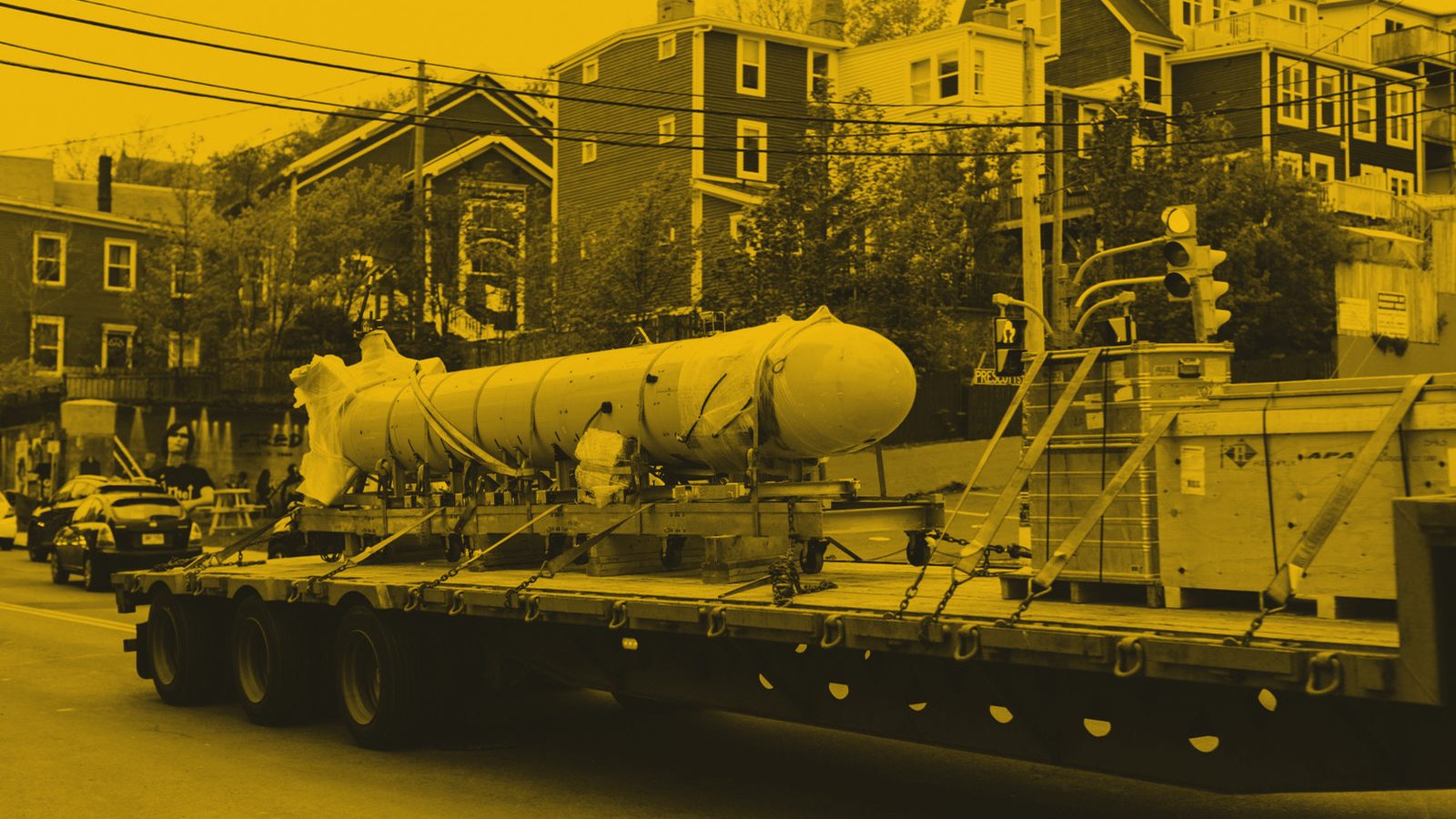
Small boats ride on their own trailers behind a suitable truck. Bigger hulls move on a step deck, lowboy, or a purpose-built hydraulic boat trailer that cradles the hull and drops deck height to keep a tall boat legal. The taller and wider the hull, the lower the deck needs to sit.
Supporting the hull
A hull isn't built to carry its own weight on two points. It gets cradled or blocked to its designed support lines so the load spreads the way the boat was engineered to take it — get this wrong and you can stress or crack the hull. Then it's shrink-wrapped or covered to protect the finish and keep hatches, canvas, and hardware from working loose at highway speed.
Permits, escorts, and the big ones
Permits follow the beam, state by state, with pilot cars added as width climbs and a height-pole car ahead of tall hulls. Large yachts — wide beam, tall, and heavy — move as engineered superloads on hydraulic trailers, with route surveys, bridge review, and sometimes utility crews lifting wires. It's the same permitting logic as any heavy haul move; see what counts as oversize for the thresholds.
Bottom line
- Beam drives the move — over 8'6" wide means oversize permits in every state.
- Measure height to the highest fixed point; fold or remove arches and towers.
- Cradle the hull to its support lines, shrink-wrap, and secure hardware.
- Large yachts move on hydraulic trailers as engineered superloads.
Moving a boat or yacht? Send the beam, length, and height and we'll spec the trailer, permits, and escorts — get a quote.