Choose flatbed when the load is large, heavy, or oversized and can handle the weather — it loads from any side and carries dimensions no box can. Choose enclosed (dry van, box truck, or air-ride) when the equipment is sensitive, high-value, or must stay clean and out of sight. Size and access push you to flatbed; fragility, value, and weather push you to enclosed.
Two loads, two very different answers. One is a 40-foot fabricated skid that will never fit in a box; the other is a rack of electronics that cannot get rained on. "Enclosed or flatbed?" is one of the first questions we ask, because the trailer decides how your equipment travels, what it costs, and whether it arrives clean. Here is how to choose.
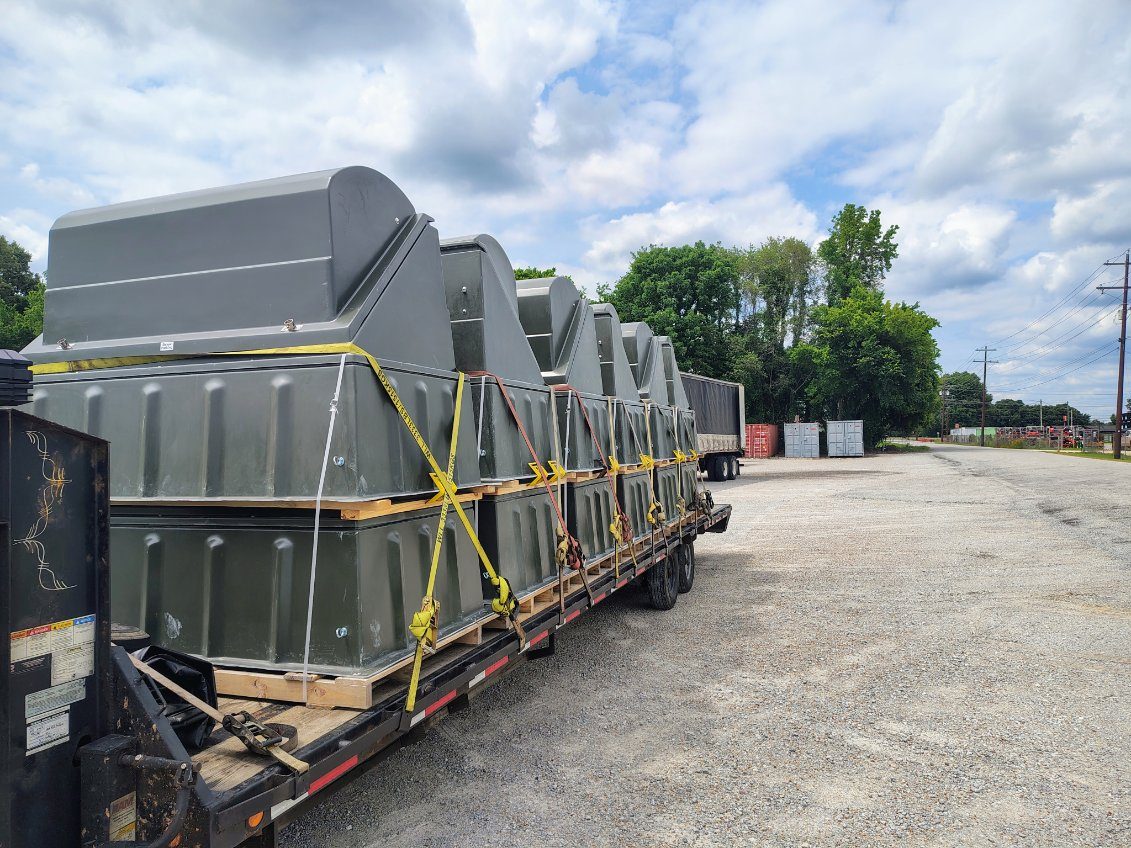
When flatbed wins
Flatbed — and its cousins step deck and RGN — is the answer when size and access drive the move:
- Oversized or over-height loads that no box could ever enclose.
- Heavy machinery that has to be craned or forklifted on from the side or top.
- Long, wide, or awkward freight — structural steel, tanks, fabricated skids.
- Fast loading from any angle, which matters on tight dock schedules.
The trade-off: the load is exposed to weather and road grit unless it is tarped, and it is out in the open for anyone to see.
When enclosed wins
Enclosed transport — dry van, box truck, or air-ride — is the answer when protection and discretion matter:
- Sensitive equipment — electronics, medical imaging, precision machinery — that cannot take weather or shock.
- High-value or proprietary freight you would rather not advertise on the highway.
- Clean-required loads that must arrive free of dust, spray, and grime.
- Air-ride when vibration is the enemy, as it is with imaging equipment.
The trade-off: you are limited to what fits through the doors and inside the box, and loading is usually from the rear only.
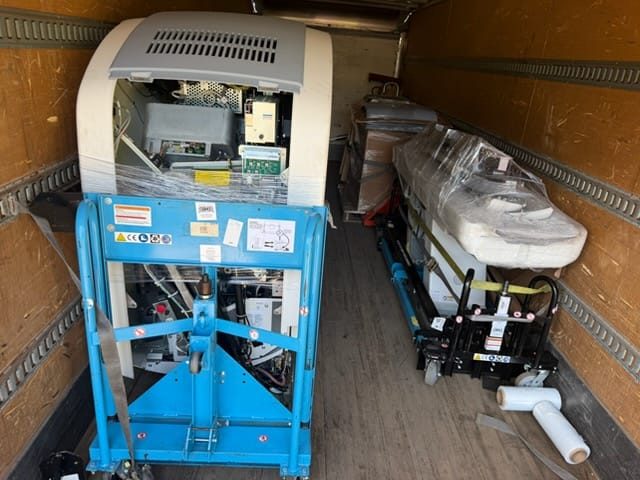
Enclosed vs flatbed at a glance
Quick comparison
Pick flatbed for: oversized, heavy, long, or awkward loads · top and side loading · crane and forklift access · anything that will not fit in a box.
Pick enclosed for: weather-sensitive, high-value, or fragile equipment · air-ride for vibration-sensitive gear · security and discretion · clean delivery.
Still not sure?
The deciding questions are simple: Does it fit in a box? Can it get wet? How fragile and how valuable is it? If it is too big for a van, flatbed it and tarp what needs covering. If it fits and it is delicate, enclose it — air-ride if vibration is a risk. When a load sits on the line, we will tell you which way we would send it and why. Compare the deck options in flatbed vs step deck vs RGN.
Decide in one line
- Too big for a box or needs crane/side access → flatbed.
- Fragile, high-value, or must stay clean and unseen → enclosed.
- Vibration-sensitive → enclosed on air-ride.
- Exposed on a flatbed? Tarp it. Oversized? Permit it.
Tell us the load and we will match the trailer. Send dimensions, weight, and how fragile it is for a straight recommendation and a quote.